When your equipment takes a turn for the worse, it can be and unwelcome surprise. Not only do heavy equipment repairs cost a great deal of money, but they also throw off schedules, stall projects, and lead to more downtime.
In fact, most large equipment failures start small. And most equipment failures are preventable.
If you’re looking to identify common warning signs that indicate the need for professional heavy equipment repair service, you’ve come to the right place.
Our diesel repair experts will share everything you need to know about heavy equipment repairs, including:
Especially here in Tacoma, Washington, heavy equipment repairs should never be delayed. Why?
Delayed repairs can lead to compounding problems, such as the following:
Not all heavy equipment is created equally. In fact, some tend to fail more often than others.
The most common heavy equipment failures include the following:
We’ll explore each in greater detail in the following sections.
Some of the most common hydraulic system failures include the following:
To help troubleshoot a hydraulic system, consider checking the motor, pump, fluids, seals, filters, valves, and lines first. Often, addressing these areas can help you keep your equipment running and operating in peak condition.
If you’re noticing hard starts, engine stalls, overheating, smoke, or power loss coming from your vehicle, you might be experiencing engine problems.
A handful of warning signs that could indicate these issues include:
Being mindful of the type of diesel fuel you use, as well as changing your oil frequently can help you prolong the life of your engine.

A common machine maintenance failure we often see on the road is electrical system failures. Maintenance technicians often help repair dead batteries, alternators, faulty starters, sensors, and damaged wiring to fix electrical systems.
A few warning signs that may indicate that your equipment isn’t working, electrical-wise, are:
Keeping the circuits in your vehicle in order with the right maintenance goes a long way in the maintenance of heavy equipment electrical systems.
If you notice worn rollers, damaged sprockets, loose or overly tight tracks, or uneven wear patterns, you might want to call a professional fleet service repair team.
A few warning signs that may indicate undercarriage or track wear — especially on heavy equipment like excavators, bulldozers, forklifts, and tracked machines — include:
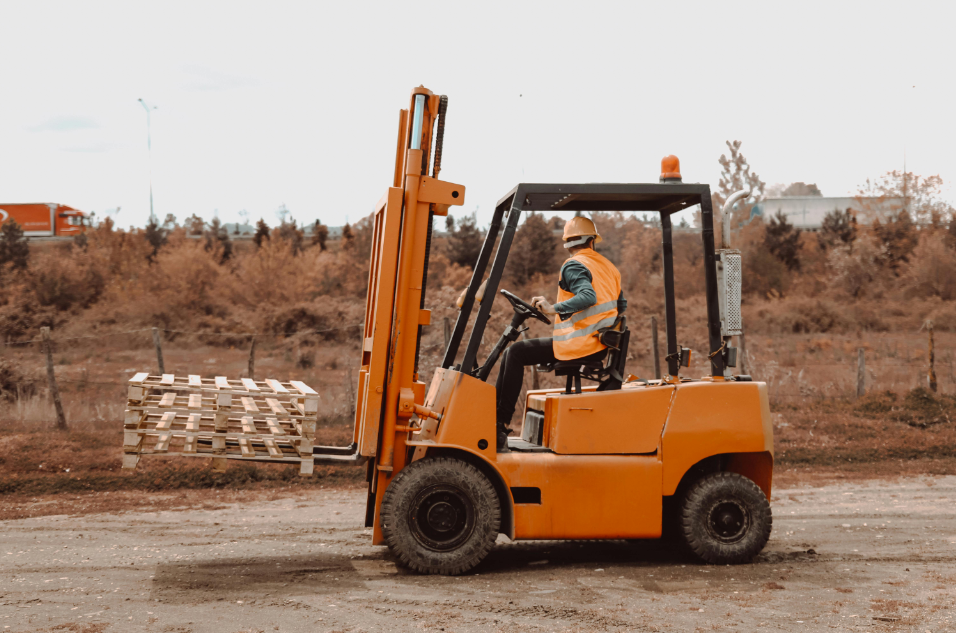
Forgoing maintenance and repair work on heavy equipment like forklifts can potentially lead to backlogs in work orders. As a general rule of thumb, a piece of heavy equipment that needs undercarriage and track repairs should receive proper maintenance every 3 months or 250 hours, whichever comes first.
The transmission is like an assembly line operator in a manufacturing facility. It keeps heavy machinery moving.
As such, transmission and drivetrain problems include slipping gears, delayed movements, unusual noises, sluggish equipment performance, or uneven transfer of power throughout the piece of equipment.
Warning signs that may indicate you need detailed maintenance for your transmission or drive train include:
A transmission that doesn’t receive routine preventative maintenance can create an extreme safety hazard, which can lead to catastrophic transmission failures.
Clogged radiators, coolant leaks, broken fans, and thermostat issues: These cooling system issues can sideline your equipment and make construction work a hassle on a job site.
If you notice any of the following signs or symptoms, your rig could have a faulty cooling system:
We’ve walked through a few different systems in a piece of equipment that needs regular service and preventive maintenance. A few signs that operators and managers should never ignore include:
While some of these symptoms might be noticed at any one time, the presence of one doesn’t mean that operating the piece of equipment is safe or cost-effective. Conducting frequent equipment inspections at regular maintenance intervals and maintenance periods is key to reducing equipment downtime.
If you ever need help coming up with a heavy equipment preventive maintenance checklist, our fleet managers would be happy to sit down with you and craft a sound preventive maintenance plan or maintenance log to help you stay profitable and road-ready.
We just threw a ton of information at you. So you might have questions, particularly, when is the best time to call a technician? When should I bring my equipment in for maintenance?
You can expect to call a technician for heavy equipment repair work if you notice any of these two issues:
For example, light cosmetic defects may not affect performance, but you might want to enroll your equipment in a heavy equipment fleet management or fleet maintenance/repair program to prevent potential issues before they arise.
If you neglect to give your equipment regular repair work and tender love and care, you might experience any of the issues mentioned in the section above.
If you notice leaks, overheating, warning lights turning on, smoke, hard starts, performance loss, new noises, hydraulic weakness, or steering concerns, you definitely want to call a professional service technician for help.
In other words, ignoring regular repair work can lead to real trouble.
Ignoring those tiny hissing noises or that little clunk you hear every once in a while may not affect you in the moment, but neglecting repairs can lead to real consequences. If you neglect heavy equipment repairs, expect:
While enrolling your rig in a heavy equipment maintenance program might feel like a chore, the cost of neglecting your heavy equipment’s maintenance needs can result in more stress and time repairing preventable issues.
We always recommend keeping a repair and maintenance history log to help you keep track of when your rig is due for repairs. A computerized maintenance management system like Fleetio, MaintainX, Samsara, RTA Fleet 360, Verizon Connect, or Geotab can be helpful for fleets who need to keep tabs on multiple pieces of heavy machinery at any given time.
When you bring in your heavy equipment for repairs with a heavy equipment preventive maintenance program, expect nothing less than safety, accountability, and results.
With a professional heavy equipment repair team, your equipment will receive thorough inspections and detailed diagnostics to discern the root cause of the issue, the first time around. Your fleet technician will make sound repair recommendations, and if needed, map out a plan for parts replacements and system repairs.
Finally, they’ll also test your equipment after making the repairs and teach you how to maintain your rig so that future issues don’t crop up.
Need a professional heavy equipment repair team at your location? Don’t sweat it.
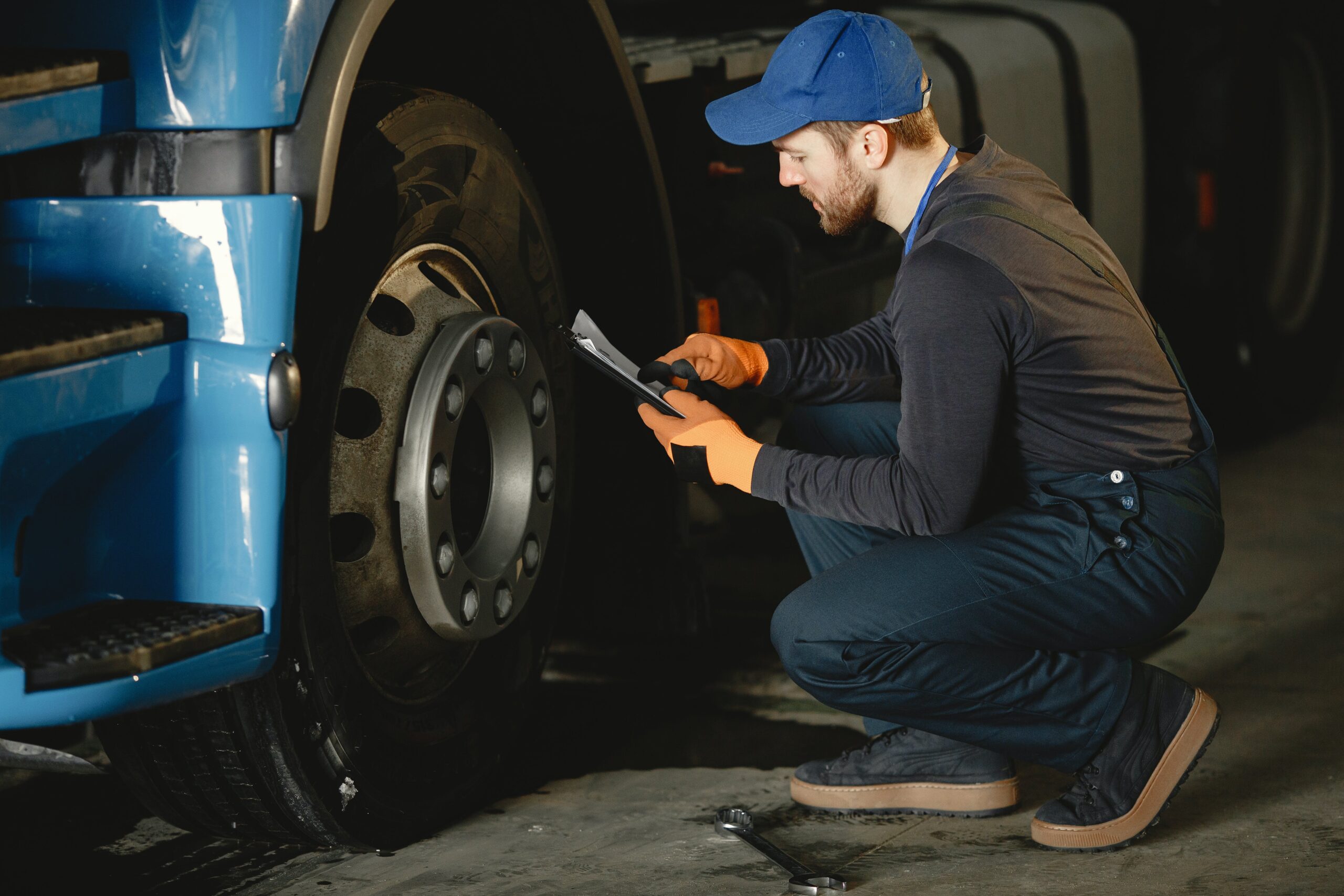
Many expert repair teams offer emergency mobile field repair service, meaning they’ll come to you at your location. Whether you’re stuck on the side of the highway or in the lot of your shop, a professional equipment repair team has the tools, knowledge, and skill to conduct in-shop, emergency, or scheduled repairs for your rig.
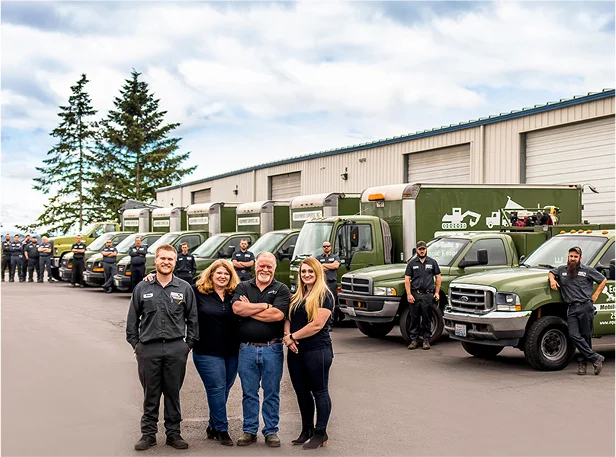
For example, our 12,000 square-foot facility includes seven bays, meaning you can bring in more than one piece of equipment at a time. We also employ more than 15 technicians and service trucks available, meaning that we can also come to you. No need to tow your equipment to our shop.
What’s more, most equipment repair teams are stocked with essential tools to help you get up and running fast. Whether you need your equipment’s fluid checked, filters changed, or the cooling system serviced, you’ll receive efficient and reliable service every time.
Dependability: that’s what you can expect from a professional heavy equipment repair and maintenance team.
At the end of the day, common equipment failures don’t occur in a vacuum. Often, equipment will demonstrate warning signs — a flickering light, strange noises, or slow responsive controls — all of which indicate that your equipment needs immediate attention.
Fortunately, with early detection and proactive maintenance, you can help prevent warning signs from becoming catastrophic failures. The key to doing so is regular equipment repairs and maintenance.
Regular maintenance is key to avoiding downtime and larger repair bills. In other words, taking extra time each week to conduct routine maintenance can help you save money on operating costs and keep your construction equipment operating long and strong.
But the best way to ensure your equipment operates at peak performance, safety, and reliability is by reaching out to a diesel mechanic with a specialty in heavy equipment maintenance.
A specialized heavy equipment repair team has the skills, knowledge, tools, and maintenance management programs to keep your rig working like a lean, mean, powerful machine.
If you’re looking for diagnostic support, repair scheduling, or maintenance planning for your rig, we’d be happy to help. We invite you to get in touch with us.
Take a load off and breathe easy. The Experts are here. For more information about heavy equipment repairs, contact us today.
Some of the most common heavy equipment repair issues include hydraulic issues, engine problems, electrical issues, undercarriage wear, and cooling system failures.
You should stop using your equipment if you notice active leaks, overheating, smoke, loud, unusual noises, jerky vibrations, loss of control, and repeated warning lights on your dashboard.
A routine maintenance schedule, plain and simple.
You can reduce heavy equipment repair costs by conducting routine inspections, scheduled maintenance, keeping up with annual DOT inspections, and responding to warning signs as they pop up.
⭐We Now Offer Mobile Truck Repair Service:
We Can Come to You!⭐