Underneath the hood of your diesel rig lies an essential piece of equipment, your fuel pressure regulator. Without it, your truck wouldn’t be able to efficiently regulate the pressure of the fuel that goes into your injectors.
If you’ve noticed hard starts, performance issues, a decrease in fuel efficiency, your engine running too hot or too cold, or general problems with your truck’s engine, these symptoms could be cause for many different issues in your vehicle.
A rare issue that it may also signal is a faulty fuel pressure regulator.
Equipment Experts here. Regardless of the source of the issue, we can help you resolve the source of your truck’s performance, fuel, or engine issues.
For over 20 years, we’ve been repairing and maintaining diesel trucks to help fleet management teams on and off the road.
If you’re experiencing issues with your truck and think the issue may have to do with fuel pressure, then this article is for you.
In this quick read, we’ll discuss the following fuel pressure regulator-related issues:
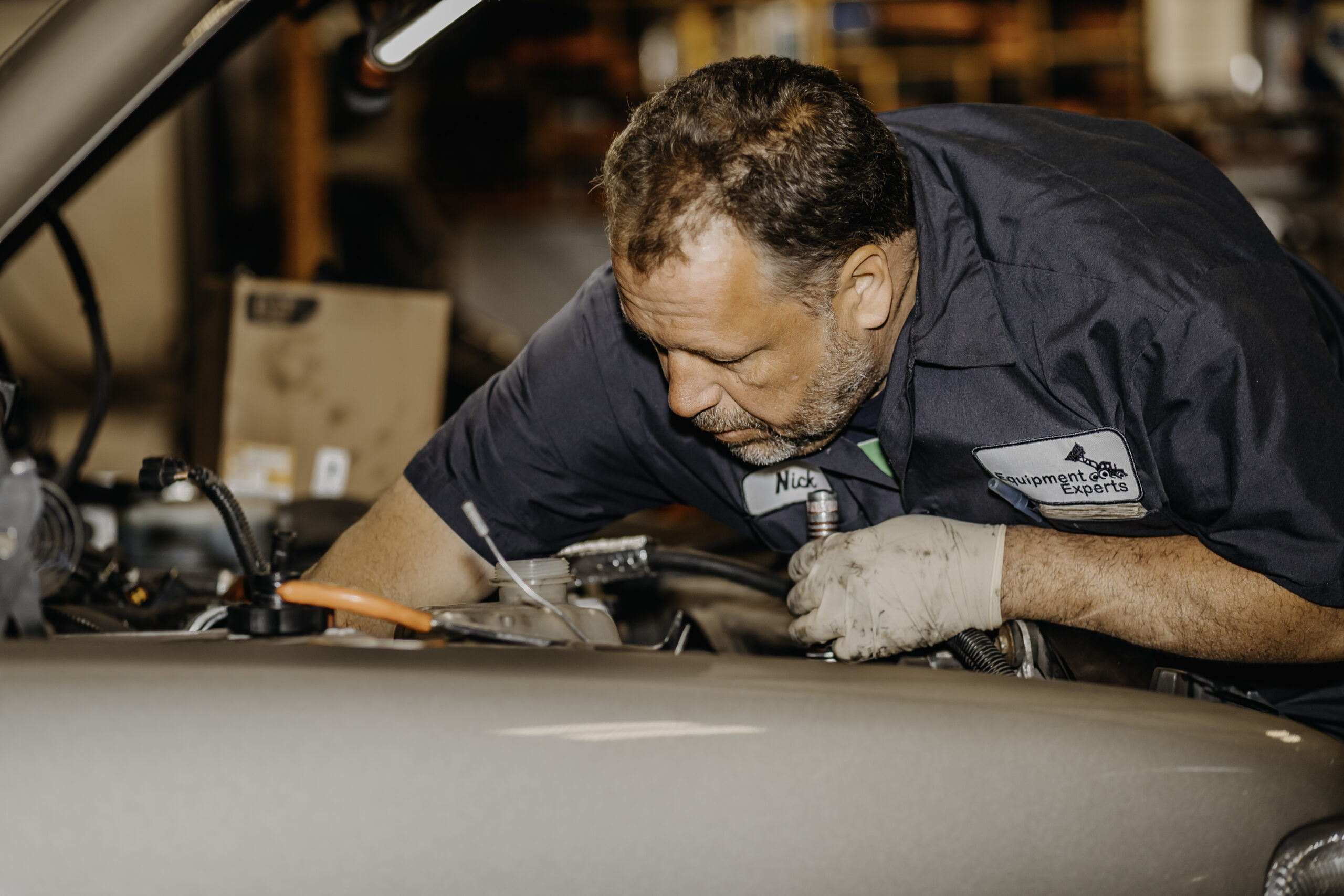
Though it may not be the first truck part you would think of repairing, the fuel pressure regulator is key to ensuring a well-performing engine. The fuel pressure regulator’s job is to regulate fuel pressure into the fuel injectors of the truck.
On older trucks, the fuel pressure regulator is installed near the return side of the fuel rail. The regulator routes excess fuel back to the fuel tank.
An engine that contains excess fuel and not enough air can cause incomplete combustion, which can result in a variety of outcomes, such as reduced fuel economy, black exhaust, and potential engine damage.
Fleet owners and truck drivers: to help you make your truck engine last longer, we recommend familiarizing yourself with the following five classic symptoms of a faulty fuel pressure regulator. Doing so will help you rule out the source of the issue in your truck, which can help you optimize the performance and longevity of your truck.
Let’s take a look at five of the most common symptoms of a faulty fuel pressure regulator.
| 1. Lackluster engine performance 2. Check engine light turns on 3. Black tailpipe smoke 4. The truck attempts to start but fails |
First on our list of symptoms is poor engine performance.
A faulty fuel pressure regulator can cause a loss of fuel pressure. When fuel pressure losses occur, the following can happen:
If you’re stuck on the road, we recommend reaching out to a mobile repair team (as opposed to bringing your truck to an in-shop repair facility) to ensure that further damage doesn’t occur under the hood of your rig.
When the Check Engine light turns on, your truck is telling you something’s up. For example, your truck’s engine computer often looks for issues that lead to increases in vehicle emissions.
If your vehicle’s engine control module recognizes an issue with the fuel pressure regulator, it will make note of the issue and trigger the Check Engine light. If your Check Engine light turns on, you should take your truck to the nearest diesel repair truck facility for just-in-time repairs.
A vehicle that emits black smoke is a vehicle that still has unburnt fuel inside of it. Signs of unburnt fuel can indicate fuel inefficiencies.
A faulty fuel pressure regulator can also cause an engine to run rich, which can cause a vehicle to emit black smoke from its tailpipe.
While black smoke won’t place your engine in immediate danger, it can take a toll on your engine’s components and can lead to costly repairs later down the road if not fixed in a timely manner.
A truck with a faulty regulator means the vehicle isn’t receiving the right fuel pressure. The result?
The engine will turn over, but may not start. If the truck won’t start, we recommend bringing your truck to a diesel repair specialist to help diagnose the issue.

Did you know we created a step-by-step guide to managing your fleet? It includes helpful information for managing repairs, tracking tasks, and keeping track of your fleet.
If you want a personal copy, check out our helpful Instagram post for instructions on how to get it. For an electronic copy of the guide, visit our website here.

If your fuel pressure regulator isn’t working, it will affect your truck’s driveability. Nevertheless, if you live in the Tacoma, Washington area and need a replacement, we’re here for you.
Our facility carries a variety of truck parts and would be happy to install and/or repair your fuel pressure regulator. We offer top-quality maintenance at affordable prices. Plus, we’re also a licensed Isuzu distributor for truck parts.
For more than 20 years, we’ve been the Pacific Northwest’s go-to truck repair shop for all things diesel-related. Whether you need your truck’s transmission inspected or repair work on heavy-duty diesel equipment, let the Experts handle it.
To schedule a service intake with our master diesel technicians, contact us today. Until then, safe travels on the road.
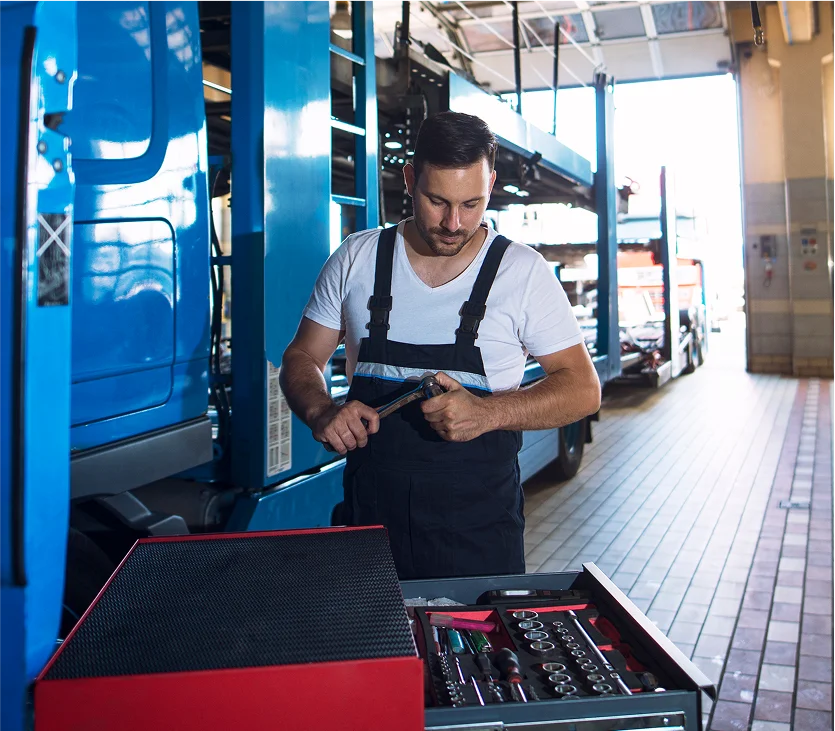
For older vehicles, a truck’s fuel pressure regulator is usually located in the fuel rail. For trucks with throttle body injection (TBI) or central port injection (CPI), the regulator is located in the fuel metering assembly inside the throttle body or on the injector assembly.
Newer vehicles tend to use returnless fuel systems and don’t have external pressure regulators. These vehicles use control modules to help manage the speed of the fuel pump.
Doing so helps maintain the right fuel pressure for the vehicle. Nevertheless, some vehicles use pressure regulators that are built into the fuel pump.
According to market research from DataIntelo, the market for fuel pressure regulators is growing steadily. As such, the current cost range for fuel pressure regulators is anywhere from $120 to $400+.
While these numbers reflect baseline estimates, for today’s pricing, your best bet is to contact your local diesel truck repair facility.
Most diesel truck repair shops carry original equipment manufacturer-quality fuel pressure regulators. You can also find fuel pressure regulators at your local auto parts store.