Safer trucks start with quality brakes. And quality brakes start with properly working slack adjusters. What are slack adjusters, though? You might be wondering.
These tiny components are key mechanical levels that support your brake system, keeping the distance between key brake parts in check to ensure optimal braking with every instance when you brake.
But let’s put the brakes on that (pun intended) for just a minute. If you’re looking for key information about this all-important component that helps keep your brakes in working order, we invite you to continue reading.
Equipment Experts, Inc. here. We’re Tacoma, WA’s go-to diesel truck repair facility. After more than 20 years in business, we’ve learned a few things about brake repairs, which is why we created this article.
To help you get a handle on your brake system, we’ll discuss the following slack adjuster-related topics in this article:
Grab a pen and paper, because it’s go time. This article is a quick read on what you need to know about slack adjusters.
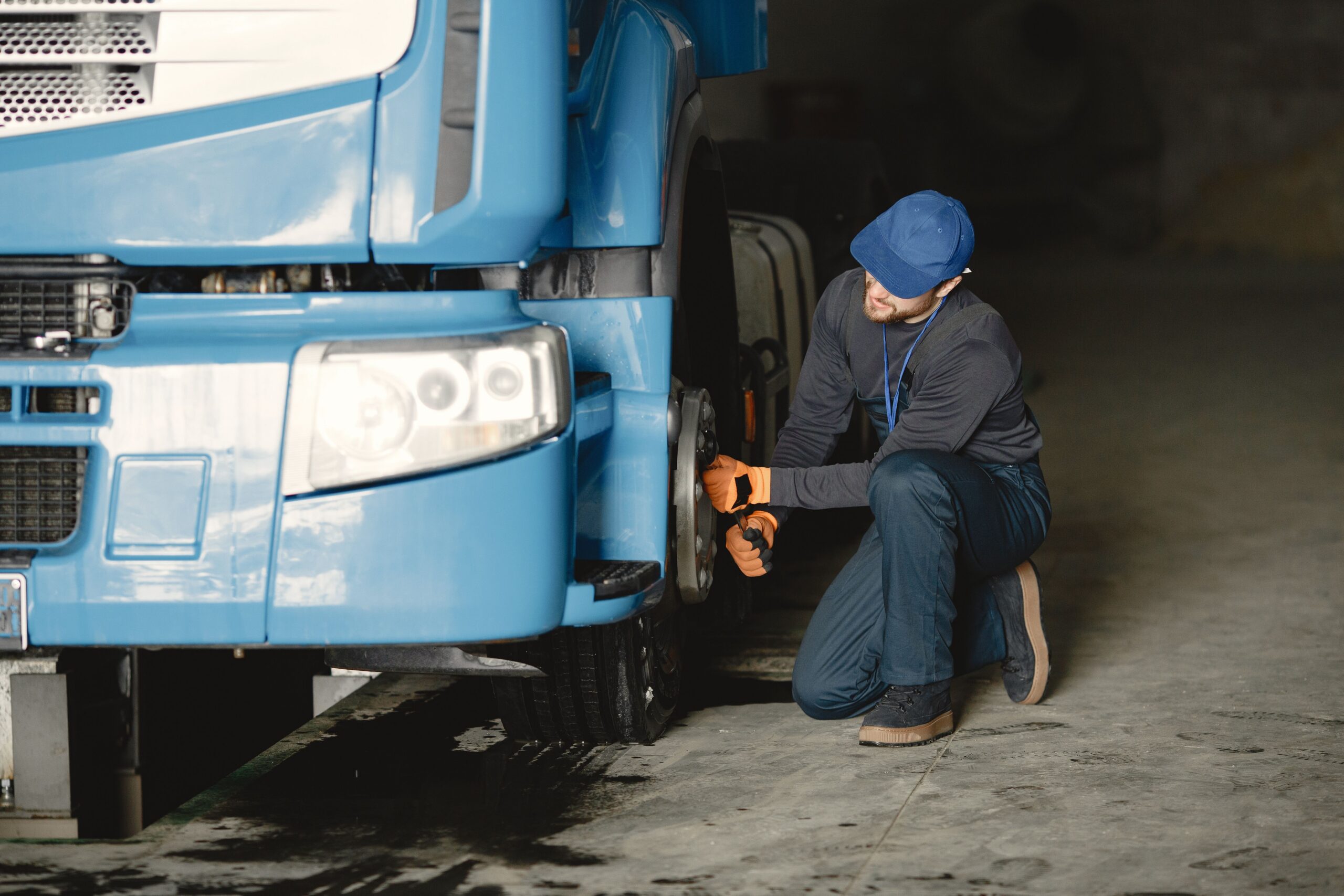
Slack adjusters are mechanical levers that connect the push rod of a brake chamber to what’s called the S-cam/ camshaft in an air brake system. The S-cam pulls the force of air brake shoes away from each other and presses the brake shoes against the inside of the brake drum to help slow the vehicle down.
With that being said, the main purpose of a slack adjuster is to regulate the distance between the brake lining and brake drum, so that the brake shoes engage with the brake system just the right way, each time the brake pedal is depressed.
You can think of slack adjusters as the link between and support player for a brake chamber’s push rods and its S-cam (or camshaft).

These adjusters pull the reins on the brakes to make up for wear and tear on the brake lining. For example, an air brake system first works by using compressed air to drive a push rod forward. The push rod then extends to move the adjuster.
The slack adjuster then rotates the S-cam, spreading the brake shoes against the brake drum, creating friction and stopping the vehicle. Furthermore, if the adjuster sticks, seizes, or isn’t adjusted to compensate for the extra distance needed for the push rod to achieve the same braking force, it can fall into disrepair.
As mentioned above, the slack adjuster helps compensate for the extra distance that the push rod must travel to achieve a similar intensity of braking force. They’re important to ensuring a properly working air brake system, because:
Without a manual or automatic adjuster, the distance the push rod travels would increase over time due to wear on brake linings. The adjuster plays an essential role in picking up the distance to maintain the right brake clearance for healthy braking.
If you feel that your slack adjusters need recalibration, here’s what you can check to give you a better idea of the source of the inconvenience around your brake operation:
The two types of slack adjusters are manual and automatic. Most trucks these days use automatic slack adjusters.
But, if you find yourself with a truck that uses manual slack adjusters, you’ll want to check your slack adjusters at the beginning of each workday. Check the adjusting nut, release its locking sleeve or button, and adjust the space as needed.
For both manual and automatic slack adjusters, we recommend bringing your vehicle in to a wide-range diesel mechanic who has the experience needed to help troubleshoot, repair, and/or replace broken parts that could be affecting your brake system. Since brakes are applied multiple times each drive, calling on a professional to inspect and maintain proper brake function is essential to ensuring long-lasting brakes.
When we’re talking about slack adjusters, we’re talking about more than just one part. Slack adjusters are built with more than a dozen different components, which can make identifying the source of disrepair a bit like doing detective work.
More often than not, bushings tend to be a part of the repair work. We always recommend having the adapter bushing checked regularly to ensure it hasn’t corroded away over time.
💡For more bright ideas and helpful tips about how to care for the bushings on your diesel truck, take a look at this quick video on our Instagram feed here.👈🏼
If your heavy-duty truck needs new slack adjusters installed, if you’re looking for aftermarket slack adjuster parts for your semi truck’s brake system, or if you’re looking to replace the entire slack adjuster unit, your best bet is a commercial fleet truck repair shop or a national aftermarket truck parts distributor.
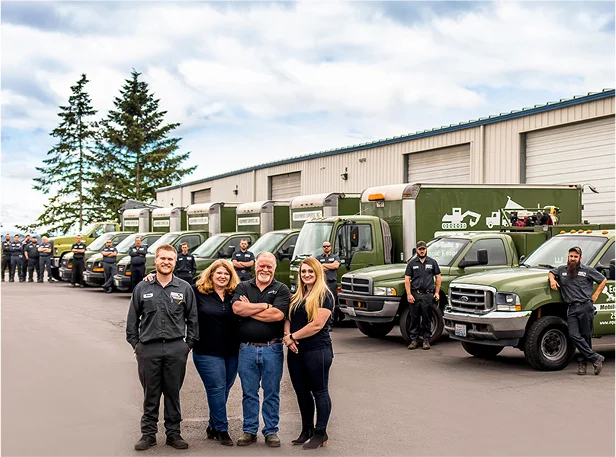
If you happen to be in the Pacific Northwest, our Tacoma, WA-based truck repair shop can help. Since 2005, we’ve been servicing and repairing trucks and trailers, heavy-duty equipment, and more for fleet teams, managers, operators, and drivers across the Pacific Northwest.
Need us to travel? We’ve repaired vehicles and industrial engines as far as:
But if you find yourself in the Tacoma, WA area, we welcome you to stop by our 10-bay facility and get to know our team. To schedule in-shop repair or mobile repair service, we invite you to contact us today at (253) 999-9146. We look forward to helping you!

You can tell if your slack adjuster has gone bad if you notice any of the following:
The best way to demonstrate your knowledge of how to check a slack adjuster for a CDL test is by doing the following:
Check for any warning signs. If you sense any issues after the CDL test, of course, consider reaching out to a diesel repair technician for them to grease and fix up your slack adjuster’s arm components.
The largest difference between an automatic slack adjuster and a manual slack adjuster is the mechanism with which each works. An automatic slack adjuster is designed with pre-set brake clearance specific to different axles. They tweak themselves during everyday use to adjust for the right brake clearance on the truck.
What’s more, they cut down on air consumption, helping speed up the braking response. Speeding up the braking response makes for an overall safer driving experience. Plus, they install much quicker.
Manual slack adjusters, on the other hand, require hands-on brake clearance adjustments and tend to be an older technology than automatic slack adjusters. Nevertheless, with the right maintenance and care, manual slack adjusters can work just as well as their automatic counterparts.
🛻Equipment Experts: Tacoma, WA’s Go-To Truck & Equipment Repair Experts🏗️